November 14, 2026
Property damage can disrupt daily routines, affect a home's appearance, and create concerns about long-term safety. Whether the damage results from severe weather, aging materials, or an unexpected accident, addressing the problem promptly can help prevent additional complications. Although restoration may require a significant financial commitment, the benefits often extend beyond repairing what is immediately visible. A well-planned project can improve functionality, preserve property value, and make living spaces more comfortable. Working with a qualified general contractor can also help homeowners identify practical improvements while addressing damaged areas. Understanding the long-term advantages of restoration makes it easier to recognize why investing in necessary repairs can be worthwhile.
Protecting the Structure From Further Damage
One of the most important reasons to restore a damaged property is to prevent existing problems from becoming more extensive. Small openings, weakened materials, and damaged exterior features can expose other parts of a home to additional wear. When these issues remain unaddressed, moisture, pests, and changing weather conditions may create further complications. A general contractor can help homeowners evaluate affected areas and determine which improvements should receive attention first. Addressing visible damage early may reduce the likelihood of needing more extensive work later. Restoration also provides an opportunity to replace deteriorating materials with suitable alternatives. Homeowners should consider both immediate repairs and the conditions that contributed to the original damage. Taking a comprehensive approach helps protect the property and supports its continued use.
Improving Safety Throughout the Property
Property damage can create safety concerns that are not always obvious during an initial inspection. Loose railings, unstable steps, weakened flooring, and damaged structural components may increase the risk of accidents. These conditions can affect household members and visitors, especially when frequently used areas are involved. A general contractor can assess the condition of damaged features and recommend appropriate repairs or replacements. Restoring these areas helps create more dependable spaces for everyday activities. It can also provide an opportunity to improve access, strengthen supports, and correct construction issues. Homeowners should avoid relying on temporary fixes when an underlying problem requires professional attention. Prioritizing safety makes restoration a practical investment in the property's long-term condition.
Preserving Property Value Over Time
A home's condition can influence how prospective buyers evaluate its overall value. Visible damage, neglected exterior features, and unfinished repairs may create concerns about future maintenance expenses. Restoration helps address these issues while allowing homeowners to maintain the property's appeal. According to the National Association of Home Builders, 38% of homebuyers prefer homes ranging from 2,000 to 2,999 square feet, illustrating how property characteristics can factor into buyer preferences. A general contractor can help homeowners focus on improvements that support the property's functionality and presentation. Well-maintained outdoor spaces, porches, and other usable features can contribute to a more appealing overall impression. Although no restoration project guarantees a specific increase in resale value, maintaining a property can make it more attractive to potential buyers. Consistent attention to repairs can also help homeowners avoid allowing manageable problems to diminish the condition of their investment.
Restoring Comfort and Everyday Functionality
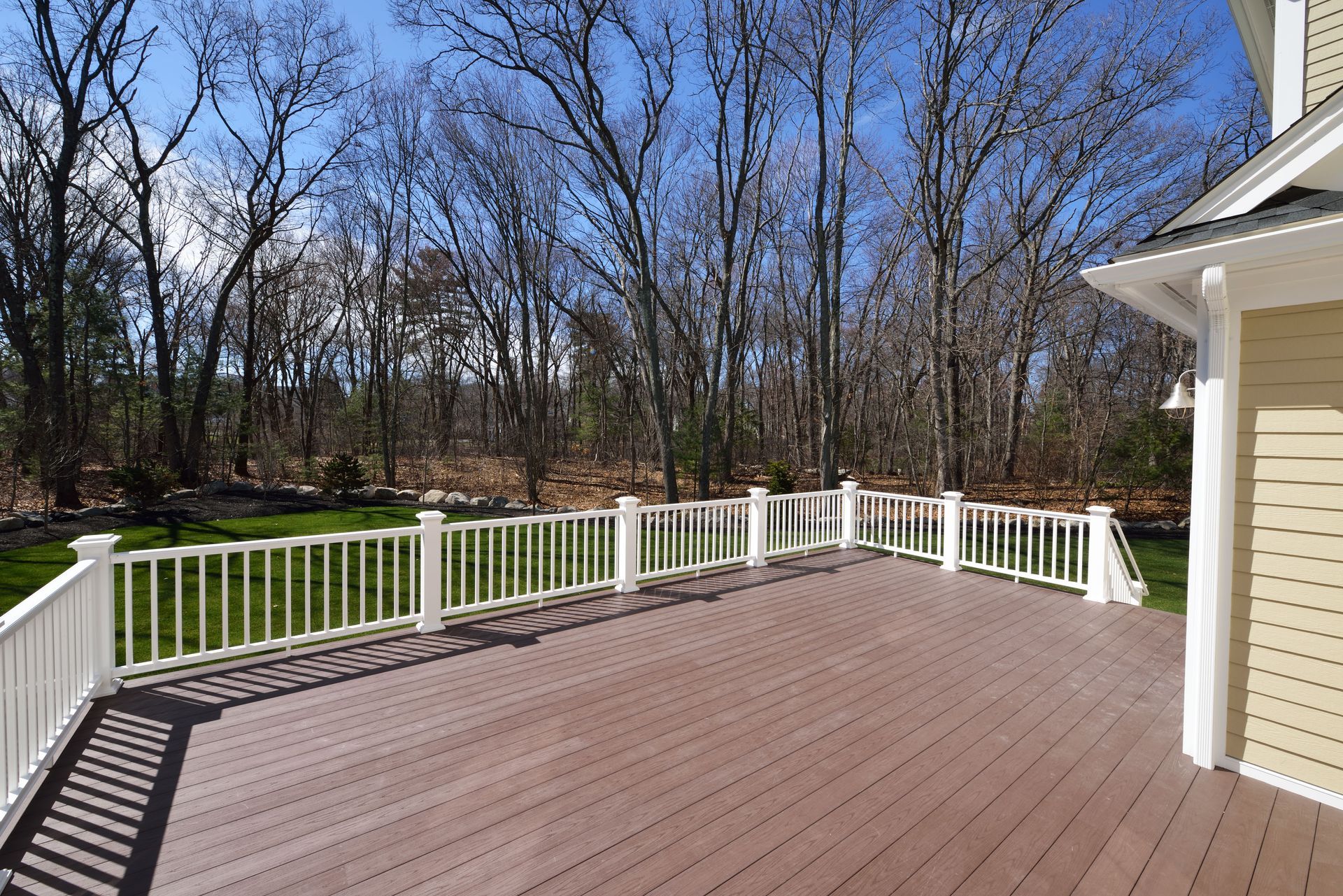
Damage can make familiar areas of a home difficult or unpleasant to use. A damaged porch, unstable deck, or deteriorating outdoor structure may prevent homeowners from enjoying spaces that previously supported daily activities. Restoration can return these areas to practical use while addressing problems that interfere with comfort. A general contractor can evaluate how damaged features affect the way residents use their property. Improvements may include replacing worn materials, repairing damaged components, or updating layouts when appropriate. These changes can make outdoor areas more comfortable and useful throughout the year. Homeowners should consider how their household uses each space before deciding which improvements are most important. Restoring functionality helps make the property feel like a comfortable place to live again.
Updating Materials and Construction Features
Restoration offers an opportunity to replace damaged or outdated materials with options better suited to the property's needs. Some older components may have experienced years of exposure, making them more vulnerable to future deterioration. Selecting appropriate replacement materials can help improve durability and reduce recurring maintenance concerns. A general contractor can explain available options based on the project's design, location, and intended use. Homeowners may also consider whether updated finishes and construction details would improve the appearance of the restored area. Material choices should account for weather exposure, maintenance requirements, and compatibility with the existing structure. Comparing these factors helps prevent decisions based only on initial cost. Thoughtful material selection can support a more dependable restoration result.
Reducing Future Maintenance Concerns
Unresolved property damage can lead to repeated repairs when underlying problems are not properly addressed. For example, replacing a visibly damaged component without examining surrounding materials may leave other vulnerable areas untouched. A thorough restoration plan considers the condition of the entire affected space. A general contractor can help identify concerns that may require attention before they become more expensive to correct. Replacing deteriorated features and addressing construction weaknesses can reduce the need for recurring maintenance. Homeowners should also follow recommended care practices after the work is completed. Regular inspections can help identify early signs of wear before they develop into larger problems. Investing in appropriate restoration can make ongoing property upkeep more manageable.
Creating Opportunities for Practical Improvements
Restoration does not always have to involve returning a damaged area to its exact previous condition. Depending on the property's needs, homeowners may have an opportunity to make practical changes during the repair process. A damaged deck, for example, may benefit from a revised layout or updated railing design. A general contractor can discuss improvements that fit the available space and the homeowner's priorities. These changes may help make the restored area more useful for relaxing, entertaining, or spending time outdoors. It is important to distinguish necessary repairs from optional upgrades when planning the budget. Establishing priorities can help homeowners direct funds toward the improvements that matter most. Combining restoration with carefully selected updates can deliver benefits beyond the original repair.
Supporting Long-Term Homeownership Goals
A home is a significant investment, and maintaining it requires attention as materials age and unexpected damage occurs. Restoration helps homeowners protect the spaces they rely on while making decisions that support their long-term plans. A general contractor can provide guidance on project requirements, material choices, and the work needed to restore affected features. Planning ahead also gives homeowners an opportunity to establish realistic budgets and timelines. Rather than postponing necessary improvements, addressing damage can help prevent continued deterioration. Homeowners can also use the process to identify upgrades that better suit their changing household needs. The most effective projects balance immediate repairs with practical considerations for future use. Taking care of a property over time can help preserve its comfort, appearance, and functionality.
Making Restoration a Worthwhile Investment
Restoring a property after damage involves more than improving its appearance. It can help protect structural features, address safety concerns, preserve value, and make everyday spaces functional again. The right approach depends on the extent of the damage, the condition of existing materials, and the homeowner's priorities. Comparing repair needs with possible improvements can help create a realistic plan that makes responsible use of available resources.
Falls Contracting LLC provides services for decks, porches, and screened porches, helping homeowners improve and maintain important outdoor living spaces. When property damage affects these features, contact us to discuss your project and explore options for restoring your outdoor space.